_%E5%89%AF%E6%9C%AC.png)
The Ultimate Office Sofa Guide: Types, Materials, and Craftsmanship for Modern Workspaces
- sabrina Tong
- Aug 15, 2025
- 2 min read


In modern office environments, the right office sofa is more than just functional furniture—it sets the tone for your workspace. A well-chosen sofa enhances aesthetics, adds comfort, and improves the overall atmosphere of reception areas, lounges, and collaborative zones. With numerous sofa types, materials, and craftsmanship options, making a rational choice is essential for creating a stylish and efficient office environment.
1. Differences in Office Sofa Types
Lounge Chairs
Compact, flexible, and easy to move.
Ideal for small meeting areas or personal relaxation spaces.
Can be combined freely for versatile seating arrangements.

Sofa Sets
Multi-piece combinations for a cohesive look.
Perfect for reception areas or conference rooms.
Provides a professional, coordinated atmosphere.

Modular Sofas
Designed for flexibility and space customization.
Combines comfort with versatility, suitable for dynamic office layouts.
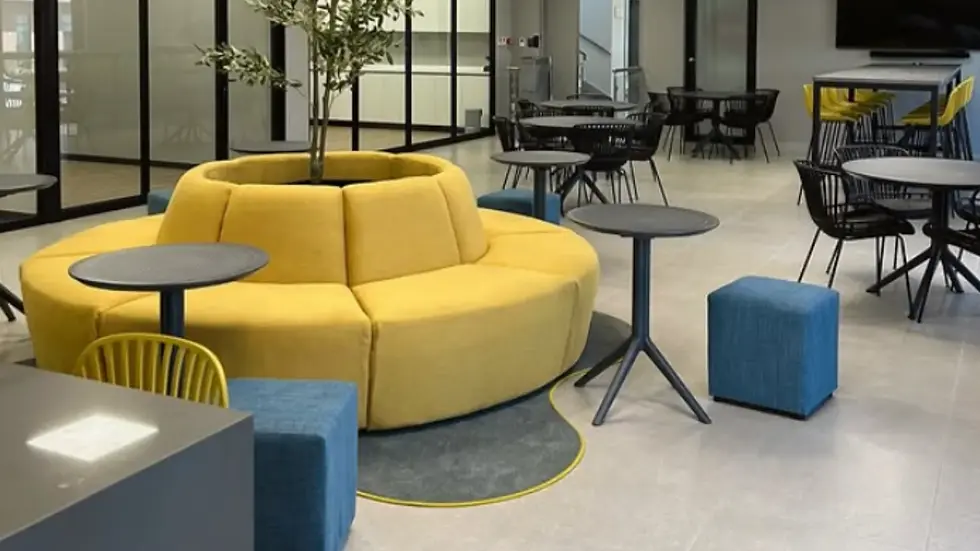
Choosing the right type depends on office size, layout, and intended use.
2. Material and Fabric Choices
Leather Sofas
Premium look and feel, easy to clean, highly durable.
Suitable for high-end offices and reception areas.
Requires proper maintenance for long-term use.

Fabric Sofas
Soft touch with a wide variety of colors and textures.
Creates a warm and inviting environment for lounges or casual office settings.
Requires regular care and slightly less durable than leather.

Material choice affects comfort, aesthetics, and long-term maintenance.
3. Craftsmanship and Design Considerations
Frame Structure
High-quality sofas use solid wood or metal frames for stability and strength.
Cushioning Materials
High-density foam or latex enhances seating comfort and maintains shape.
Stitching and Finishing
Fine stitching and detailed finishing improve visual appeal and durability.

Craftsmanship determines both comfort and long-term quality perception.
By analyzing sofa types, materials, and craftsmanship, you can select an office sofa that is both stylish and practical, enhancing comfort and aesthetics in your workspace.
A carefully selected office sofa is not just furniture—it is a strategic element that elevates comfort, efficiency, and the visual appeal of your workspace. Understanding the differences in design, materials, and craftsmanship allows you to make informed, rational decisions, ensuring a functional and stylish office environment.


Comments